Pet Luvly | Premium Gear for Cats & Dogs -- FLASH SALE: Save up to 50% OFF on all Pet Essentials! Shop Now.


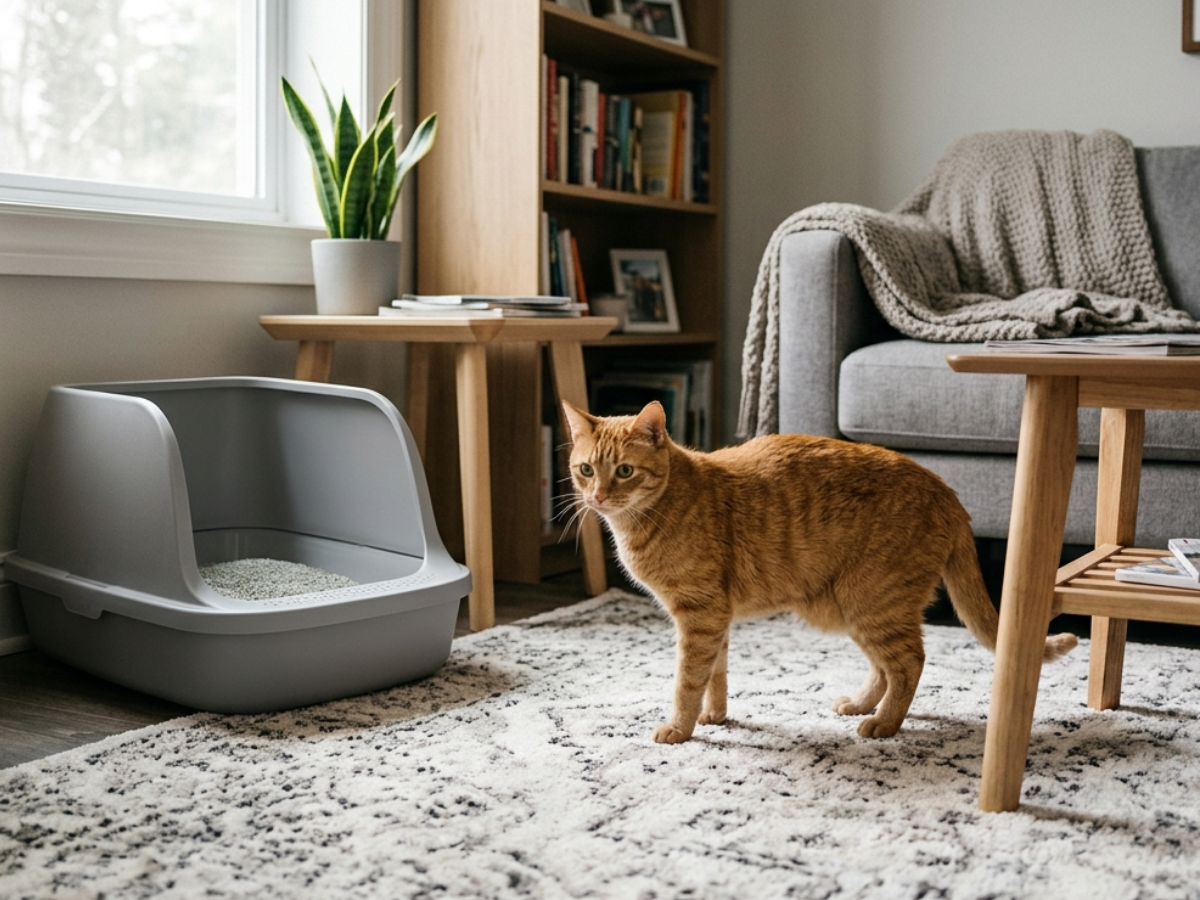
7 Reasons Why Your Cat Avoids the Litter Box (And How to Fix It)
Discovering an unexpected puddle on your favorite rug is one of the most frustrating challenges a cat parent can face. Sudden litter box avoidance is rarely just bad behavior—it is usually a clear, behavioral distress signal from your feline friend.
Cats are instinctively pristine animals. When they reject their designated bathroom, it is usually their only way of communicating that something in their environment is causing them stress, discomfort, or confusion.
Fortunately, most litter box aversion issues can be permanently resolved. By understanding the root causes of this behavior, you can easily restore peace, hygiene, and comfort to your home.
1. Chronic Indoor Boredom and Litter Box Avoidance
Unlike outdoor cats, indoor cats rely entirely on humans to satisfy their predatory instincts. When a cat faces severe boredom and a lack of daily physical stimulation, that pent-up energy quickly mutates into anxiety. This hidden stress is a primary trigger for sudden litter box accidents, as anxious cats often urinate outside their box to mark territory and feel secure.
The Solution: The most effective way to eliminate stress-induced accidents is through environmental enrichment. Introducing dynamic, automated toys satisfies their natural urge to hunt, chase, and pounce, safely burning off cortisol and anxiety.
Targeted Solution: You can instantly cure indoor boredom and lower your cat’s stress levels with the high-tech UFO Smart Interactive Cat Toy.
2. Lingering Odors and Ammonia Buildup
A cat’s sense of smell is nearly fourteen times stronger than ours. If a specific spot in your house has been soiled before, conventional household cleaners will only mask the scent. To a cat’s sensitive nose, the lingering pheromones and ammonia act as a permanent green light, inviting them to reuse that exact wrong spot over and over again.
The Solution: To break this cycle, you must eliminate the scent on a molecular level using pet-safe, enzyme-based formulas that permanently dissolve organic pet odors rather than just covering them up with heavy artificial perfumes.
Critical Maintenance: Keep your living space fresh and prevent repeat accidents effectively by using EcoScoop™ Pet Cleaner.
3. The Unspoken Cleanliness Standard
Cats despise utilizing a soiled bathroom just as much as humans do. If the litter box isn’t scooped multiple times a day, a fastidious cat will simply seek out a cleaner alternative—such as your clean laundry or a plush rug. Daily scooping and regular substrate replacement are absolute requirements to maintain proper litter box habits.
4. Suboptimal Box Location and Privacy Outlets
Where you place the litter box matters just as much as keeping it clean. If the box is trapped next to a noisy washing machine or placed in a high-traffic hallway, it directly triggers litter box avoidance. Always choose a quiet, low-traffic corner with clear escape routes.
5. Sudden Household Shifts and Routine Changes
Cats are extreme creatures of habit. Something as simple as moving furniture, welcoming a new infant or pet, having loud weekend visitors, or changing your work schedule can throw off their emotional balance. When their predictable world changes, localized bathroom accidents are a common coping mechanism.
6. Wrong Litter Type or Texture Preference
The texture of the litter under your cat’s paws is highly critical to their comfort. If you recently switched to a coarser texture or a strong artificial scent, it can cause immediate litter box avoidance simply because they find it physically unpleasant to step on.
7. Underlying Medical Concerns
If you have optimized the cleanliness, location, and environment and your cat still refuses the box, the root cause could be medical. Painful conditions like Urinary Tract Infections (UTIs) or bladder inflammation cause cats to associate the physical box with their physical pain. If your cat is straining, crying while urinating, or visiting the box excessively, consult your veterinarian immediately.
Quick Environmental Assessment
| Environmental Trigger | The Immediate Fix | Your Action Step |
| Lack of Play & High Anxiety | Daily automated stimulation | Introduce UFO Smart Interactive Cat Toy |
| Repeat Accident Spots | Enzyme-based neutralization | Treat area with EcoScoop™ Pet Cleaner |
| Poor Location | Move box to a quiet corner | Ensure multiple clear escape routes |
Final Thoughts
Correcting litter box avoidance requires looking at your home layout through your cat’s eyes. By neutralizing persistent odors, setting up a quiet bathroom space, and providing premium mental enrichment, you can easily guide your feline companion back to their ideal routine.
FAQ
What is the main cause of sudden cat litter box avoidance?
This behavior usually means the cat wants to use their designated bathroom but finds something about the immediate environment unappealing—most commonly, a box that needs more frequent scooping or a litter texture that feels uncomfortable to their paws.
How many litter boxes should a multi-cat household have?
The golden rule followed by behaviorists is to always provide one box per cat, plus one additional box placed in a separate location ($N+1$ setup). This completely eliminates territorial guarding and anxiety.
How do interactive toys directly stop litter box accidents?
When indoor cats engage with toys that mimic live prey, they release pent-up frustration and mental stress. Lowering their overall anxiety levels directly stabilizes their behavior and reduces stress-induced marking around the house.
For a deeper medical overview regarding complex feline behavioral patterns, you can optionally review the general health guidelines provided by the ASPCA.